



By pool type and installation
The best robotic pool cleaner for cold water, from opening day to closing.
Top pick: Dolphin Quantum
Live prices · Ships free · 30 Day Trial
Cold water is where the hardest cleaning of the year happens, at opening and closing, so capacity, a short cycle and a few cold-weather habits decide the choice.
The quick answer
The Dolphin Quantum is our first pick for cold water: an XXL top-load basket for the debris a pool opens with, NanoFilter panels for the silt underneath, and a 2-hour cycle you can repeat the same day. Choose the Dolphin Premier if the pool opens full of leaves, because bulk is what its oversized leaf bag is made for. Check the minimum water temperature in the manual first.
People ask about the best robotic pool cleaner for cold water for one of three reasons. They are opening a pool in spring or closing it in the fall, when the water is cold and the debris is at its worst. They swim in an unheated pool in a northern state. Or they own a cold plunge. The answer differs for each, and for the last one it is mostly a caution.
Two facts frame the page. Every robot has a minimum operating water temperature in its manual, and we do not quote it here, so look it up before the first run of the year. And cold changes what a robot has to clean more than how it cleans: months of leaves, silt and dead algae at once. That is why capacity leads the ranking, with the Sigma and the Cayman in supporting roles.
The picks, ranked
Four robots for cold-water cleaning, in order.
$1999$1599Save $400 off the list price
Temporarily out of stock
Pick 1: Fastest turnaround on opening day
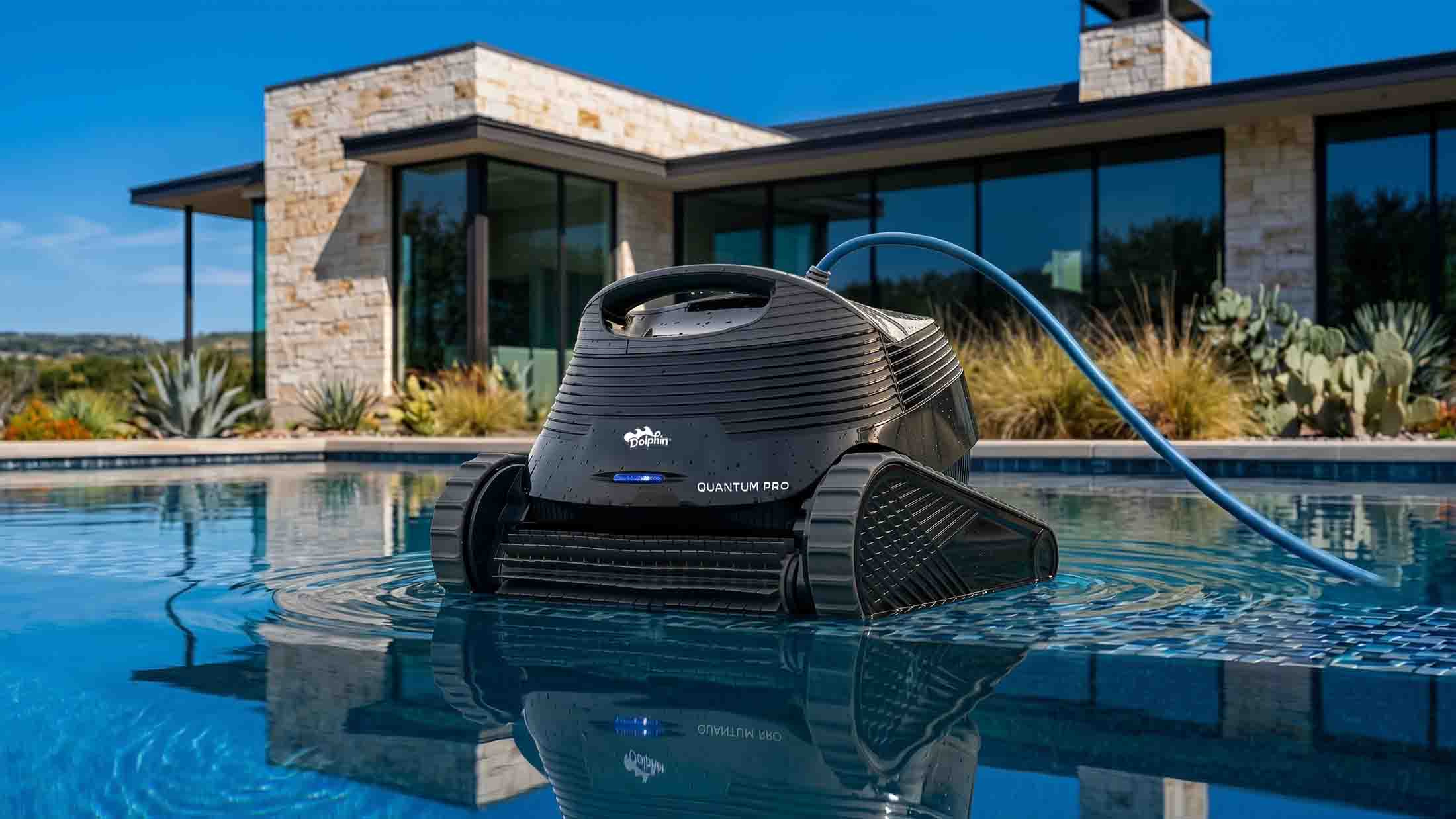
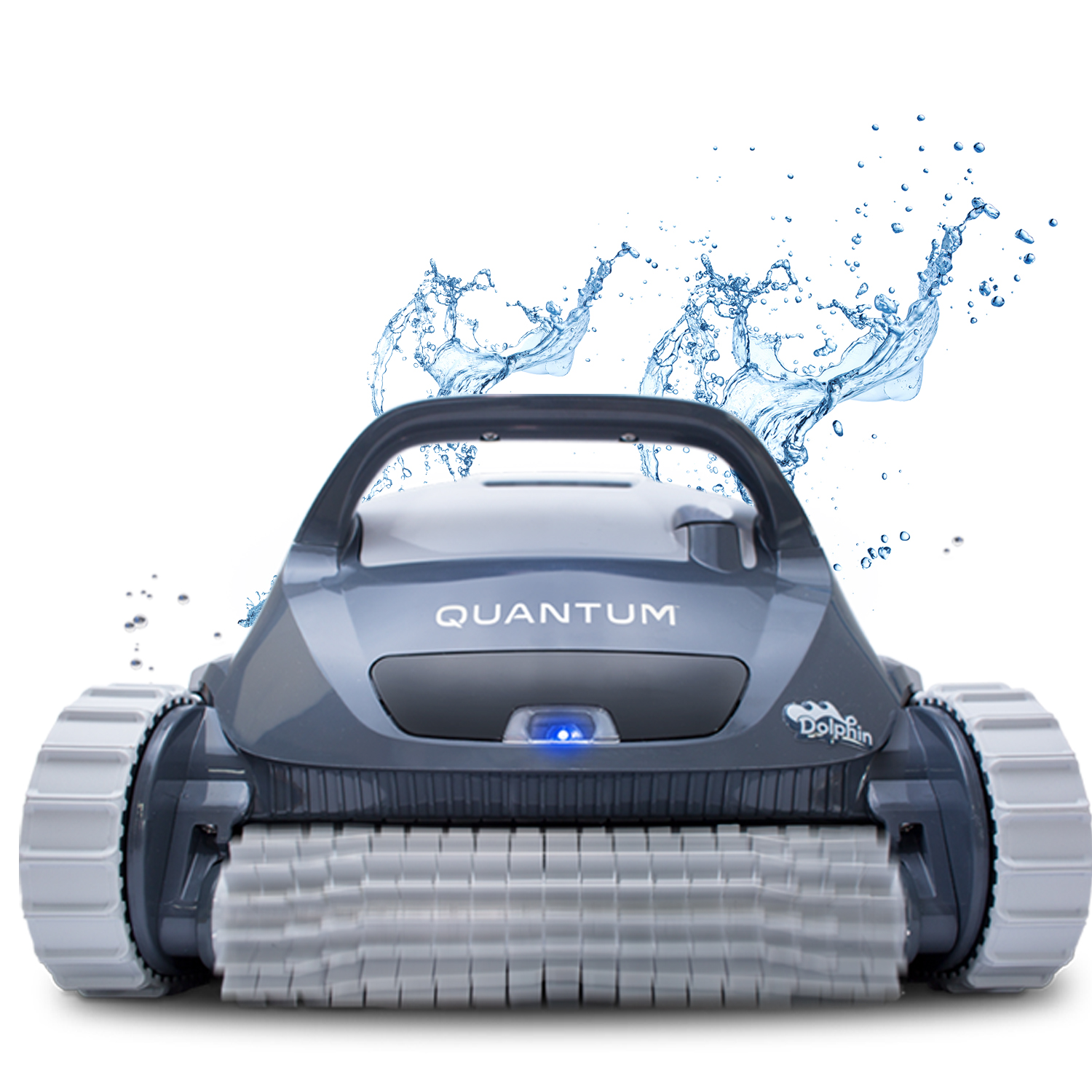
Dolphin Quantum
Opening a cold pool is a job of fill, empty, repeat, and the Quantum makes each round quick. Its XXL MaxBin has over 400 sq in of filter area and lifts out from the top with a single click, so you can dump it on the lawn and send the robot back down. With the bulk gone, swap in the NanoFilter panels for the silt and dead algae. The 2-hour cycle allows several runs in a day, the swivel keeps a cold, stiff cable from knotting, and at 18.3 lb it weighs less than either of the other 50 ft robots when you haul it out.
- Best for
- In-ground pools up to 50 ft that open with a moderate load of leaves over fine silt.
- The trade-off
- There is no leaf bag, so a pool that opens truly full of leaves means more trips to empty the basket.
$2499$1949Save $550 off the list price
Temporarily out of stock
Pick 2: Leaf bag for the heaviest openings
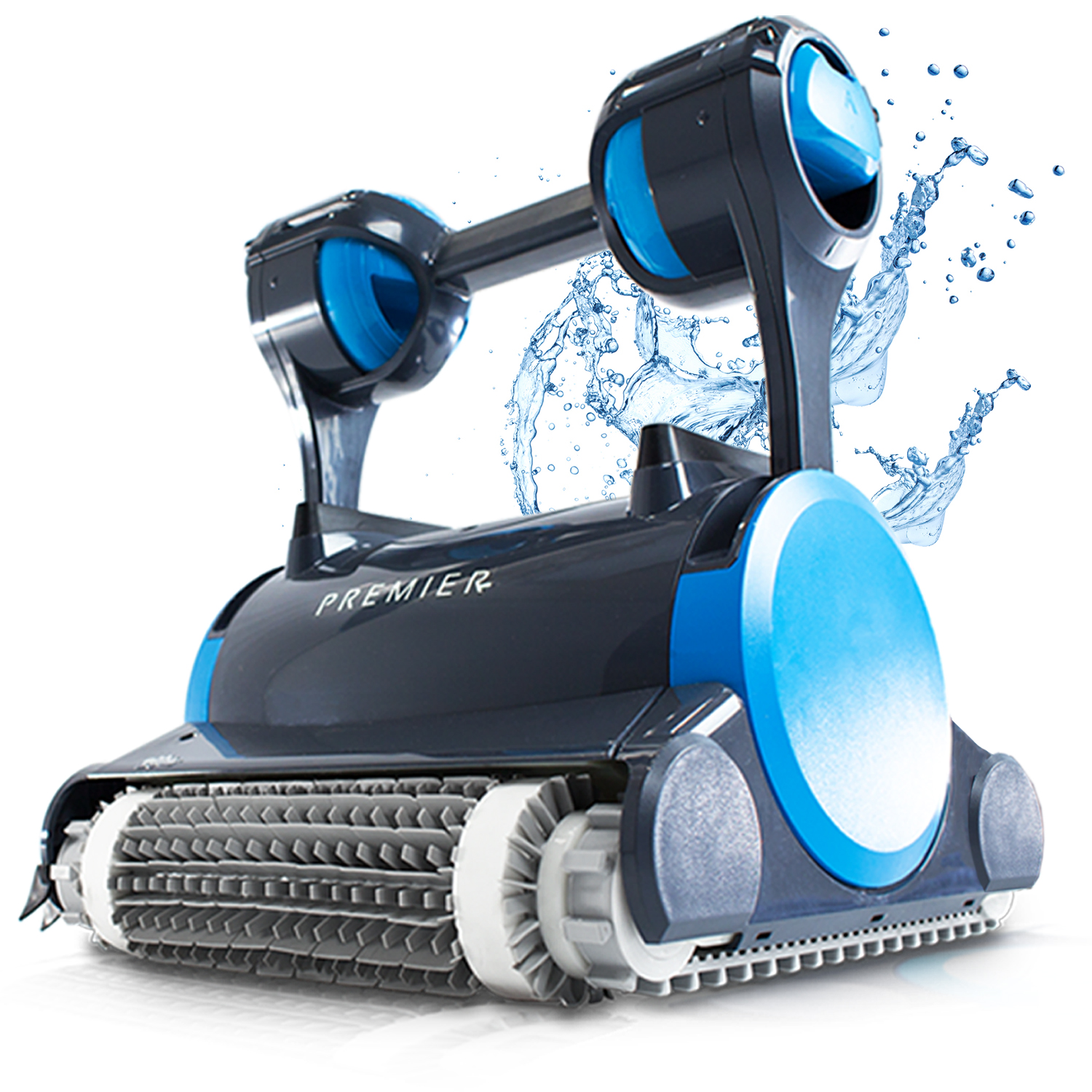
Dolphin Premier
If the cover failed, or there was none, the pool opens under a layer of leaves, and that is the Premier's job. The Multi-Media kit in its box has an oversized leaf bag for the bulk, standard fine filters for the middle pass and NanoFilters for the silt, each swapped in seconds. A full-filter indicator on the power supply shows when to empty, which saves guessing on a cold morning. The 3-year warranty is the longest here, shared with the Sigma. It sits second because a 3-hour cycle slows the repeat runs an opening needs.
- Best for
- Pools up to 50 ft under trees that winter beneath a mesh cover or none at all.
- The trade-off
- Each repeat run on opening day takes 3 hours, and there is no app. It costs more than the Quantum.
$2999$2349Save $650 off the list price
Temporarily out of stock
Pick 3: Clean openings from under a solid cover
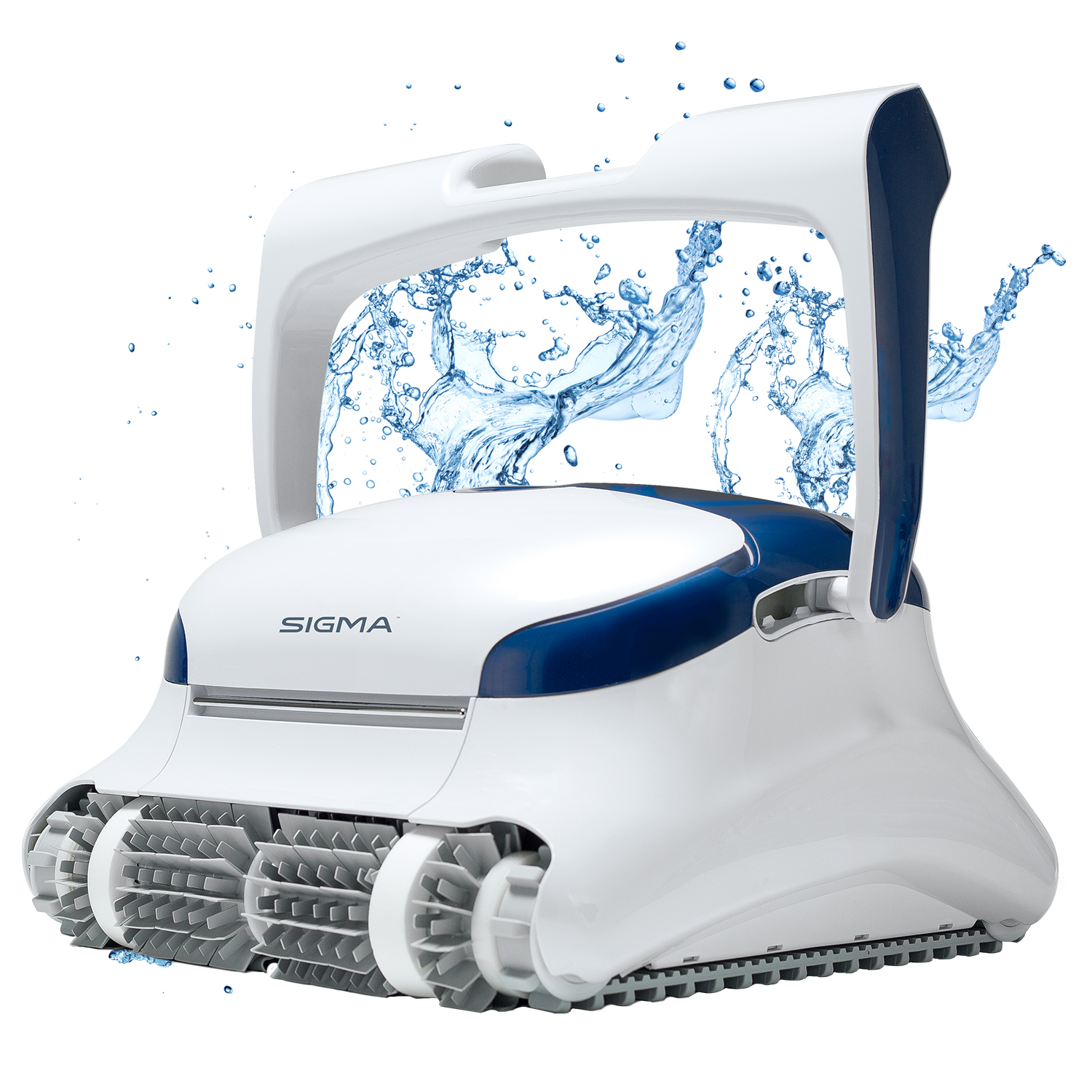
Dolphin Sigma
A pool that wintered under a tight solid cover opens differently: little bulk, but a film on every surface and fine sediment across the floor. That is the Sigma's ground. Quad scrubbing brushes work the winter film off the floor, walls and waterline, NanoFilters described as filtering down to 2 microns hold the sediment, and SmartNav 3.0 with an onboard gyroscope covers the pool in order. Once the season starts, the app scheduler takes over by day and time. It ranks third because cartridges are a poor match for an opening with real leaf volume.
- Best for
- Pools up to 50 ft that open with film and fine sediment but few leaves.
- The trade-off
- The highest price here, the heaviest at 24.6 lb, and cartridges that load quickly if leaves got under the cover.
$1299$1049Save $250 off the list price
Temporarily out of stock
Pick 4: Seasonal cleanups on pools up to 33 ft
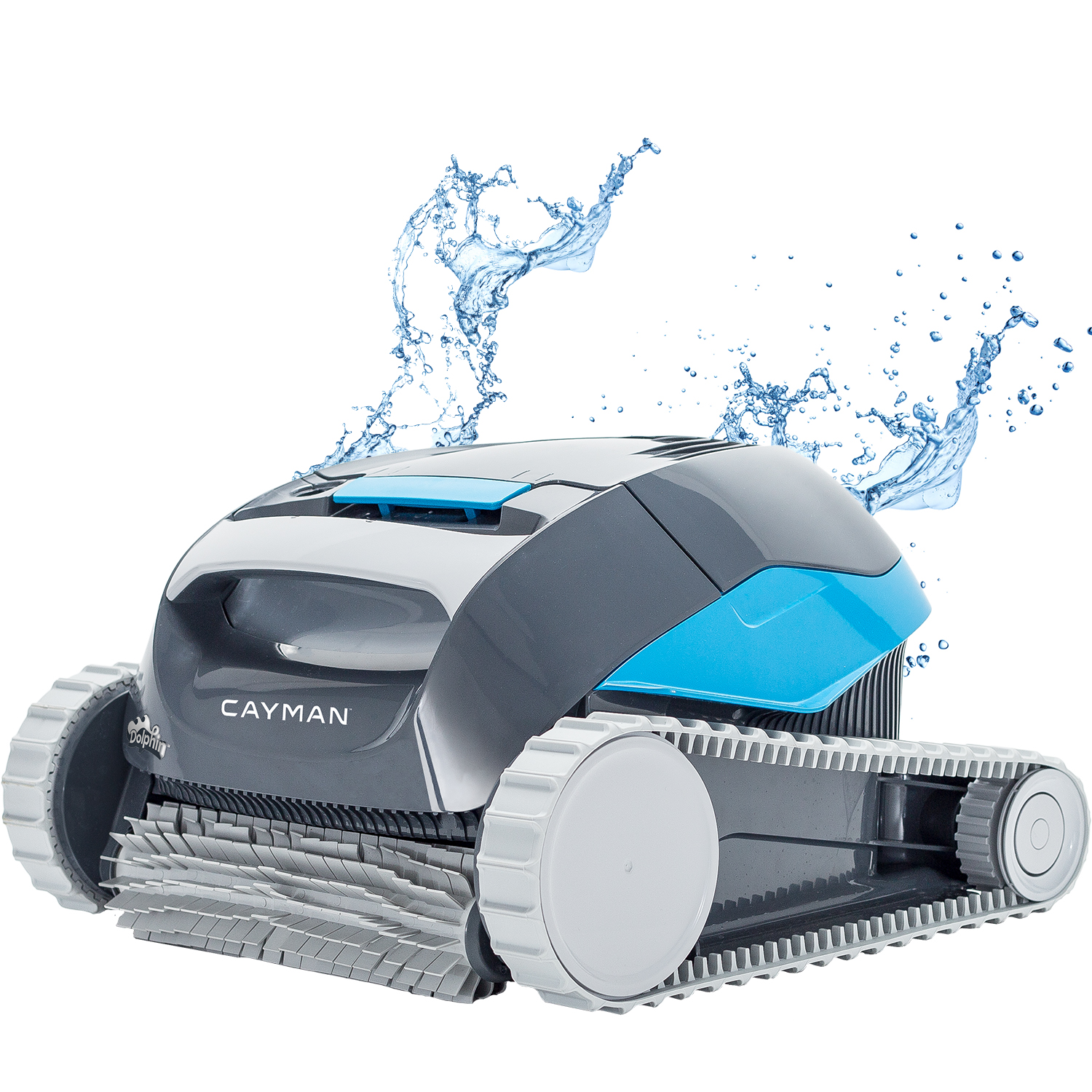
Dolphin Cayman
For pools up to 33 ft, including above-ground pools that are opened and closed each year, the Cayman handles the seasonal cleanups for less. The MaxBin basket is 50% larger than standard Dolphin filters and empties through a top hatch with one tab, which keeps the fill and empty rounds short, and the 2-hour cycle matches the Quantum's. It is also the lightest of the four at 14.6 lb, a real help when cold hands are doing the lifting. Lay its 50 ft cable in the sun first, since there is no swivel to take out the twists.
- Best for
- Smaller in-ground and above-ground pools that are opened and closed every year.
- The trade-off
- No waterline scrubbing, and the NanoFilter panels you want for dead algae are an optional add-on.


Side by side
Cold-water picks compared.
| Specification | Dolphin Quantum | Dolphin Premier | Dolphin Sigma | Dolphin Cayman |
|---|---|---|---|---|
| Price today | $1599 | $1949 | $2349 | $1049 |
| Pool type | In-ground | In-ground | In-ground | In-ground and above-ground |
| Pool length | Up to 50 ft | Up to 50 ft | Up to 50 ft | Up to 33 ft |
| Cleans | Floor, walls, waterline, sun shelves and stairs | Floor, walls and waterline | Floor, walls and waterline | Floor and walls |
| Cable | 55 ft with anti-tangle swivel | 55 ft with 360° anti-tangle swivel | 55 ft with 360° anti-tangle swivel | 50 ft |
| Filtration | XXL MaxBin basket with standard and NanoFilter panels | Multi-Media: NanoFilters, oversized leaf bag and standard fine filters | NanoFilters and standard filter cartridges | MaxBin basket with fine panels; NanoFilter panels optional |
| Robot weight | 18.3 lb | 20.3 lb | 24.6 lb | 14.6 lb |
| Warranty | 2 years | 3 years | 3 years | 2 years |
What to look for
What cold water changes.
-
The minimum temperature in the manual
Each robot is rated to run above a stated water temperature. Early spring and late fall water can sit below it, especially in the northern half of the country. Read the figure for your model, put a thermometer in the pool, and wait if you have to.
-
Opening-day capacity
A pool that wintered under a mesh cover, or no cover, opens with the heaviest load of the year. A robot with a small filter stops picking up minutes into the job. Basket area, a leaf bag, and how fast you can empty and restart decide how long opening takes.
-
Fine filtration for what is left
Under the leaves lies silt, and after the opening shock comes dead algae, a gray dust that standard panels pass. A second stage of ultra-fine filtration finishes the job. NanoFilters are included with the Quantum, Premier and Sigma and are an optional add-on for the Cayman.
-
A stiff cable
Cable jackets stiffen in the cold and hold the coils they were stored in, which invites tangles. Lay the cable out straight in the sun before the first run. A swivel helps the cable unwind as the robot turns; the three 50 ft robots have one, the Cayman does not.
Opening day, in the right order.
The order matters more than the robot. Done in sequence, an opening takes a day. Done out of order, the robot spends hours hauling debris a net would have lifted in minutes, or sits in shock-level chlorine it should have avoided.
- Clear the cover, then net out branches and the top layer of leaves by hand.
- Check the water temperature against the minimum in the robot's manual.
- Run the robot on standard panels, or the Premier's leaf bag, emptying as often as it fills.
- Lift the robot out, then shock and balance the water.
- When chlorine is back in the normal range, run again on NanoFilter panels to collect silt and dead algae.
Never under ice, never in a winterized pool.
A pool that has been closed for winter is not a pool a robot should enter. The water level has usually been lowered, the lines have been blown out, and winter chemicals have been added. Ice is a separate hazard: an ice sheet can trap the cable, and water near freezing is colder than anything these robots are meant for. If you keep an unheated pool open through a mild winter, treat the manual's minimum temperature as a hard line and stop running the robot when the water drops under it.
Cold plunges and winter storage.
A chilled cold plunge is the one cold-water request where we steer people away. Plunge water is held far colder than a swimming pool, possibly below the minimum in the manual, and a tub-size plunge is much smaller than the pools these robots are designed around. Check both before you consider it.
For storage, rinse the robot with fresh water after the closing clean, let it dry, coil the cable loosely with no kinks, and keep the robot and power supply indoors where the temperature stays above freezing. An unheated shed that freezes is the wrong place for a robot with water still inside it.
Cold-weather tips.
- Lay the cable out straight on the deck in the sun for an hour before the first spring run, so it softens and loses its coils.
- Wear waterproof gloves and keep a bucket by the pool. You will empty the basket many times on opening day.
- Give the pool one thorough clean on NanoFilter panels just before closing. A pool closed clean opens far easier.
- Stop using the robot once the water falls below the minimum in the manual, and bring it indoors before the first hard frost.
Questions, answered
Cold-water questions.
How cold is too cold to run a robotic pool cleaner?
The minimum operating water temperature is printed in each robot's manual, and that figure is the line. We do not publish it in this guide, so check it for your model, measure the water with a pool thermometer, and wait a few days in spring if the pool has not reached it.
Why is my robot's cable stiff and curly in spring?
Cold stiffens the cable, and it remembers the coils it was stored in. Uncoil it fully, lay it straight on a sunny deck until it softens, and feed it into the pool without twists. The anti-tangle swivel on the Quantum, Premier and Sigma then lets it unwind as the robot turns.
Will a robotic pool cleaner for cold water work in a cold plunge?
Probably not, and we would rather say so. A chilled plunge is likely to sit below the minimum water temperature in the robot's manual, and most plunges are far smaller than the pools these robots are built for. Check the manual and the tub's dimensions before trying it.
Should I run the robot before closing the pool?
Yes, it is one of the most useful runs of the year. Clean on standard panels to clear leaves, then on NanoFilter panels for fine sediment, while the water is still above the manual's minimum. Whatever stays on the floor at closing sits there all winter, feeding algae and leaving stains.
The bottom line
The cold-water decision rule.
Choose by what the pool opens with. A normal mix of leaves over silt: the Quantum, for the big basket, the included NanoFilter panels and the 2-hour turnaround. A pool buried in leaves: the Premier and its leaf bag. Film and fine sediment from under a solid cover: the Sigma. Up to 33 ft: the Cayman. For all four, the manual's minimum temperature decides when the season starts and ends, and the robot winters indoors.
More buying guides
